The first hour: why every shift starts with a plan
Pre-task planning is not new. Doing it every day, with the crew rather than to the crew, is the difference.
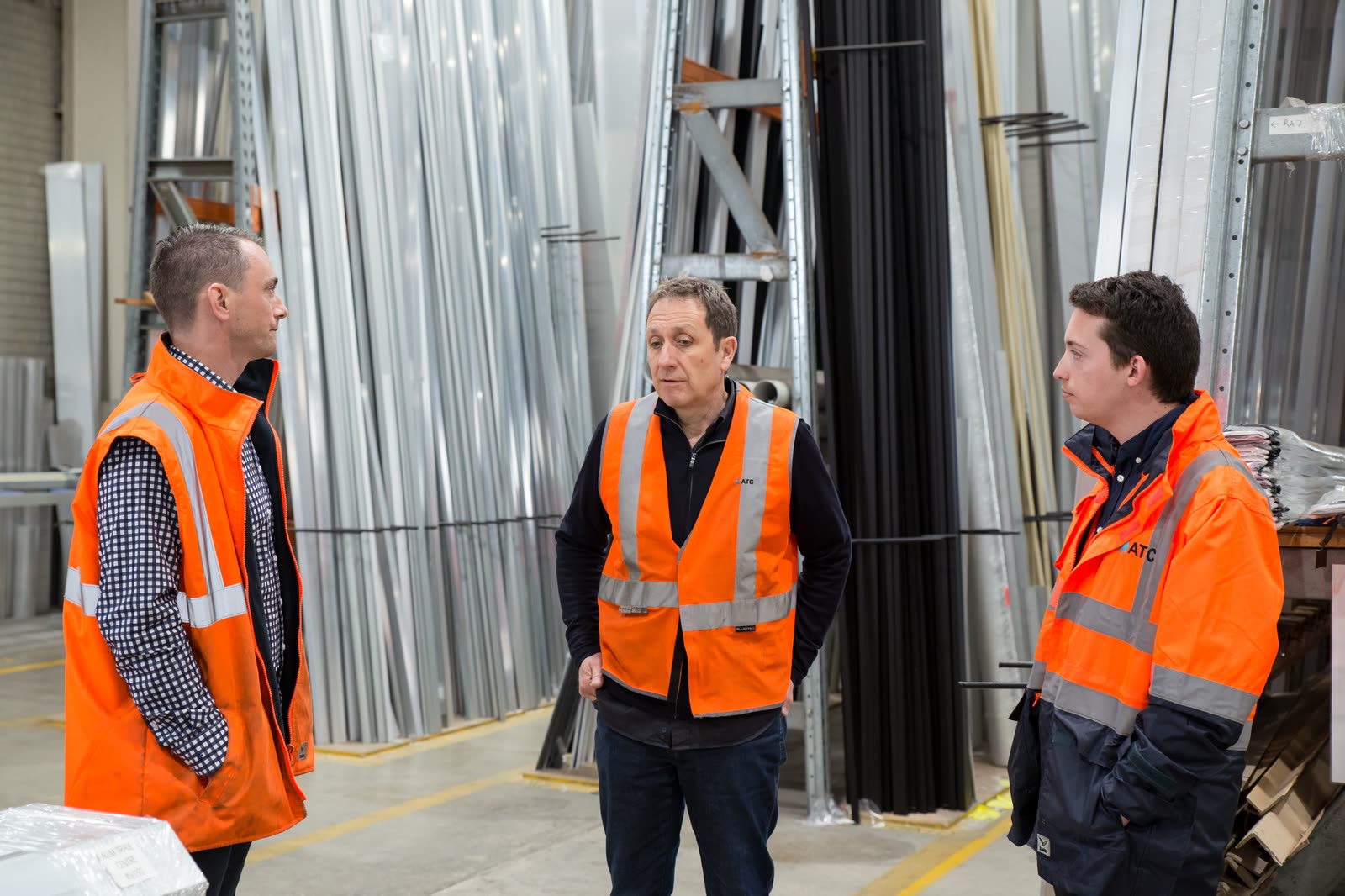
Every Ferrowgate shift starts the same way. The crew stands at the work, not in the trailer, and plans the next task together: what could hurt someone, what will stop it, and who has the authority to stop the work. We call it the First Hour, although it takes fifteen minutes.
With the crew, not to the crew
The foreman does not read out a form. The person doing the task explains the hazards, and the crew adds what they see. New workers speak first, because they see what everyone else has stopped noticing.
Stop-work authority is real
Anyone on our sites can stop work, including trade partners and visitors. The first time someone uses it on a project, the superintendent thanks them in front of the crew. That matters more than any poster.
What we measure
We track leading indicators: plans completed, near misses reported and stop-work calls. Recordable injuries tell us what has already gone wrong. Leading indicators help prevent the next one.
Demo article written for the template. General information, not legal, financial or engineering advice.
Keep reading
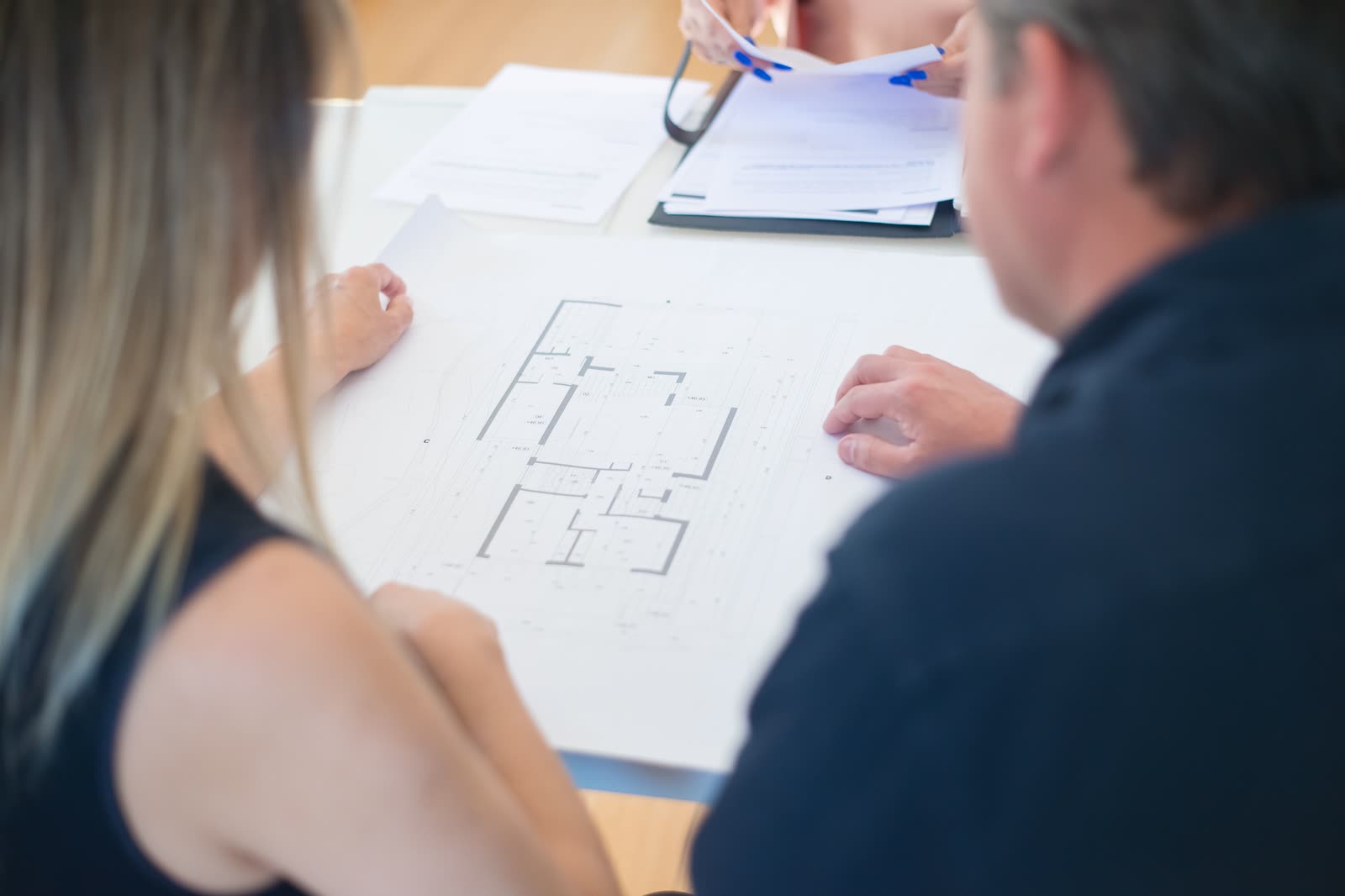
CM at-risk or progressive design-build? Choosing a delivery method for a public project
Both bring the builder in early and both end in a negotiated price. What differs is who holds the designer's contract, and how much control the owner wants over design.
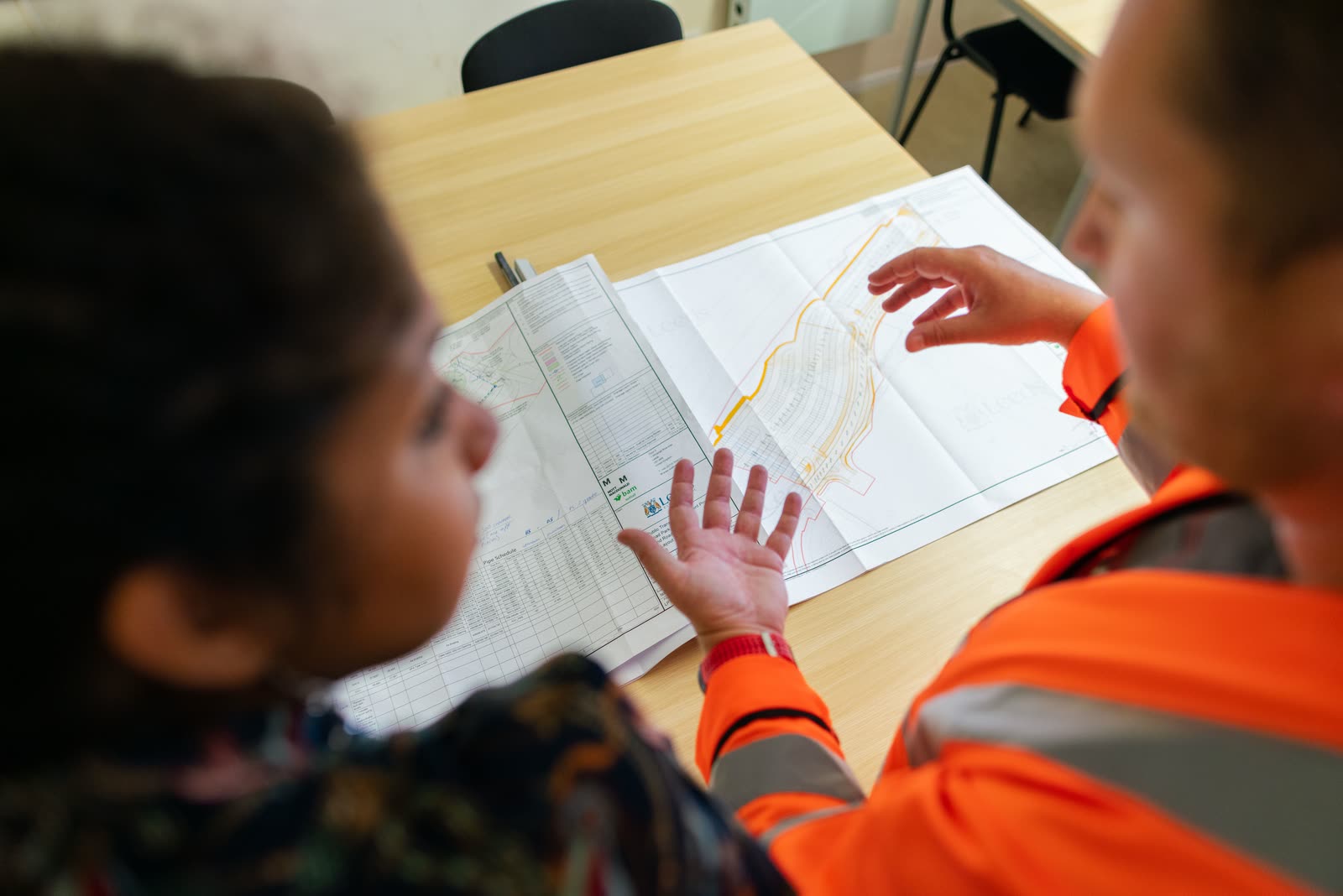
What a guaranteed maximum price actually guarantees
A GMP is a ceiling, not a price. Here is what sits inside one, and the questions to ask before you sign it.
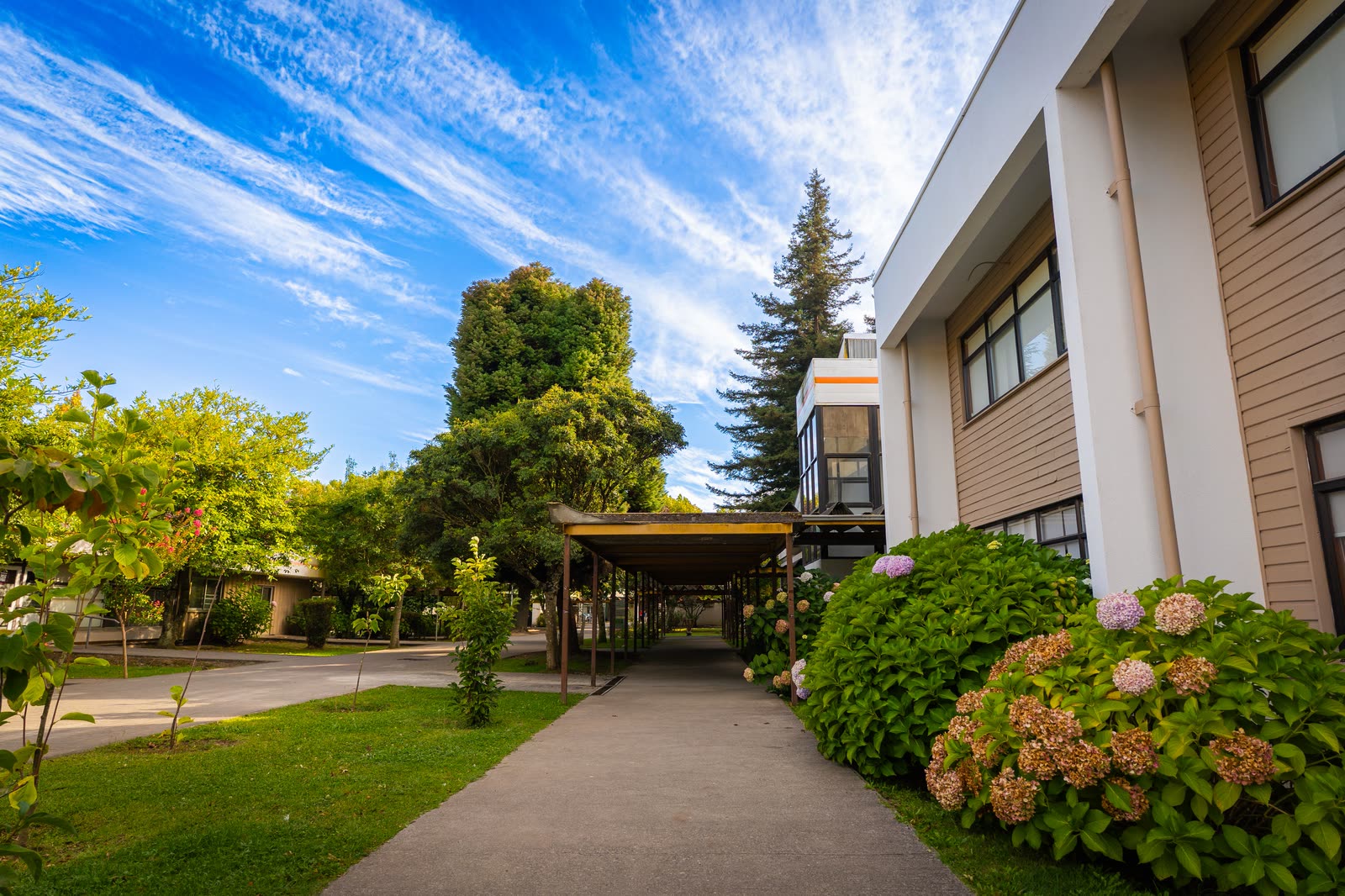
Building a school while it stays open
Four phases, two summers and no lost school days at Ridgeview High. What made it work.